Follow-up to Sexual morality: how much of the change in “always / almost always wrong” responses is associated with shifts in religious affiliation and worship attendance, and how the national trend differs across Protestant, Catholic, None, and Other affiliation groups.
Methods (brief): individual-level weighted binomial GLM (relig_cat + attend_high); marginal standardization with reference-year composition; separate period-only time models and composed overlays by affiliation (Task 36 lumping).
1. Regression and counterfactual trends
Weighted GLM predictions with frozen reference-year affiliation and attendance margins (smoothed yearly series for presentation). Order: premarital sex, same-sex relations, teen premarital sex, extramarital sex.
Premarital sex (premarsx)
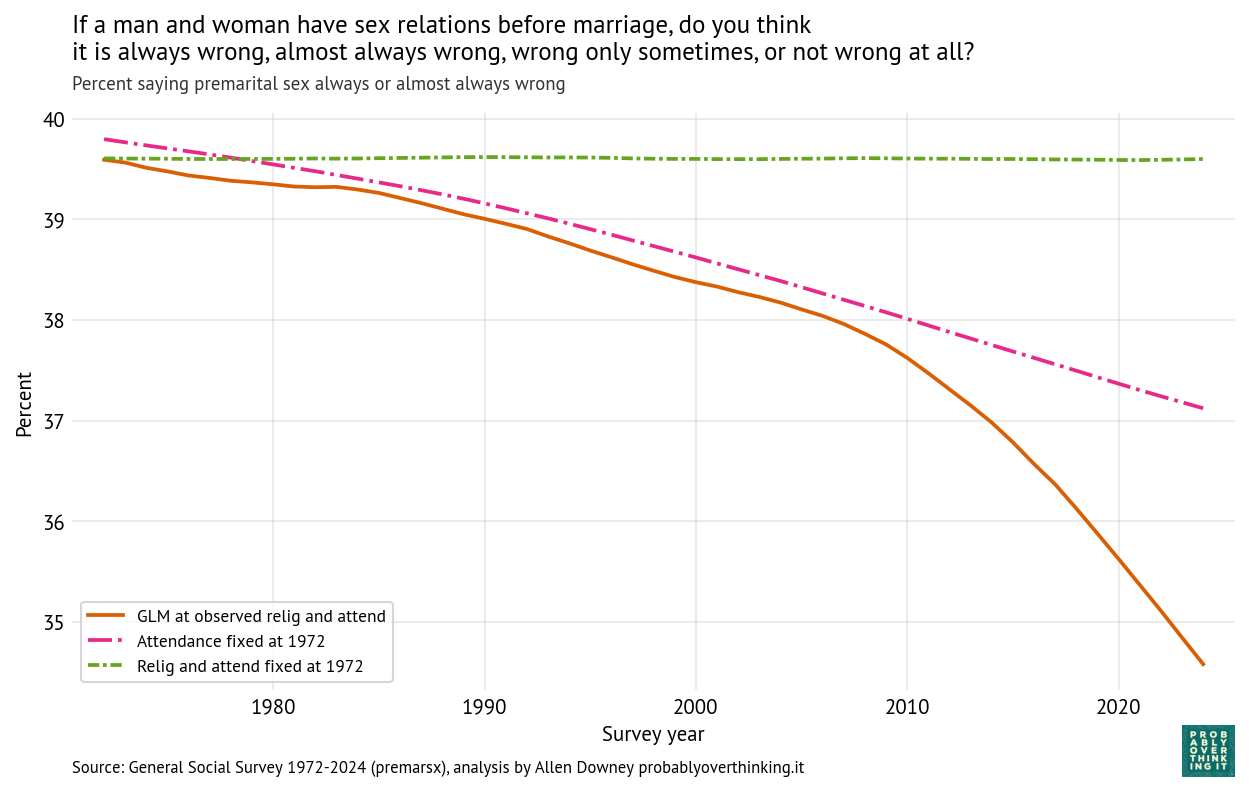
Figure 1:Marginal standardization (smoothed): premarital sex — GLM at observed covariates; attendance fixed at reference year; affiliation and attendance fixed (independent margins).
Same-sex relations (homosex)
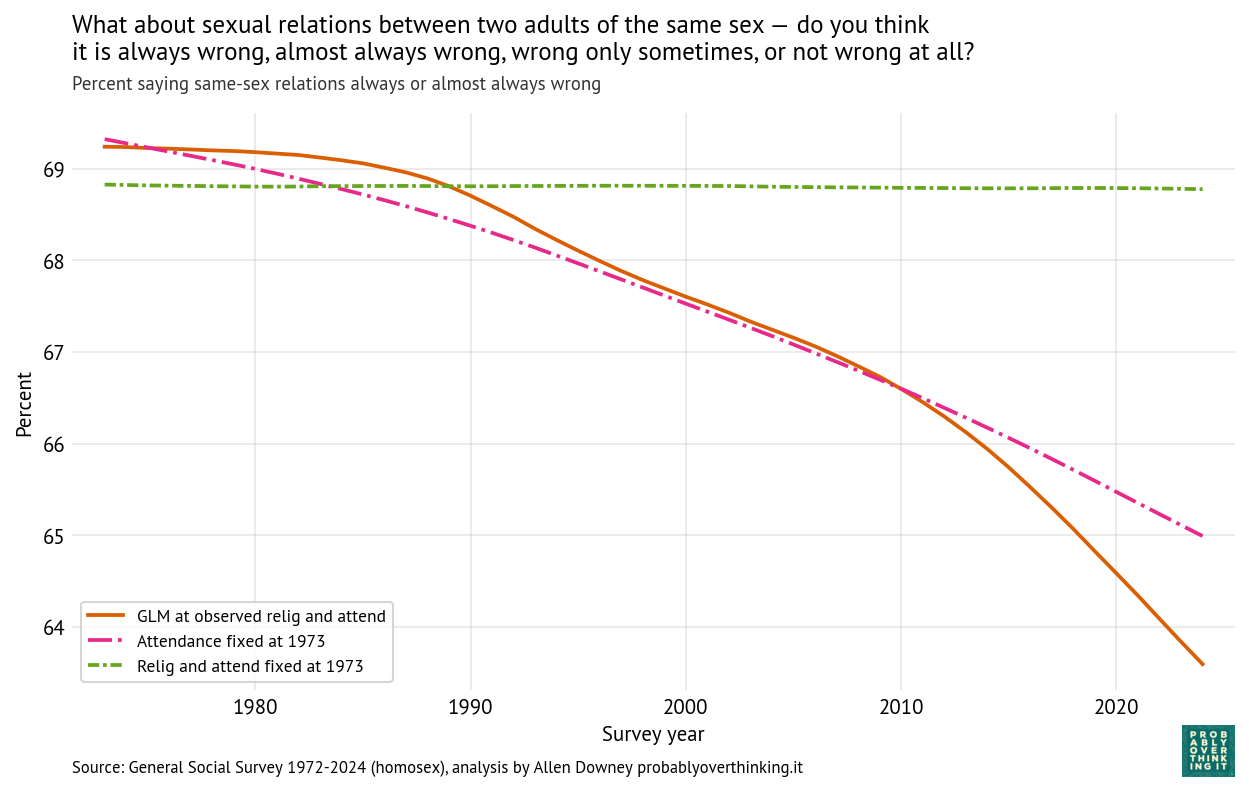
Figure 2:Marginal standardization (smoothed): same-sex relations.
Teen premarital sex (teensex)
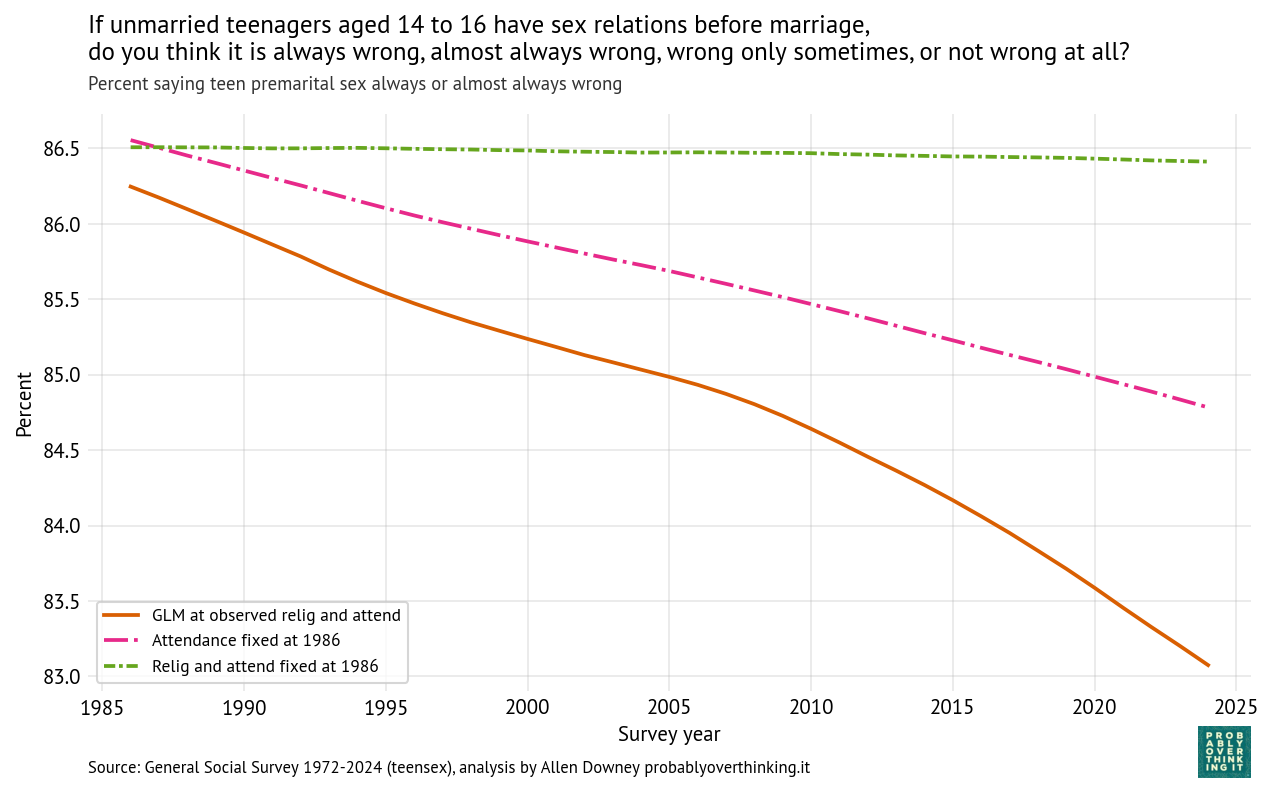
Figure 3:Marginal standardization (smoothed): teen premarital sex (GSS from 1986).
Extramarital sex (xmarsex)
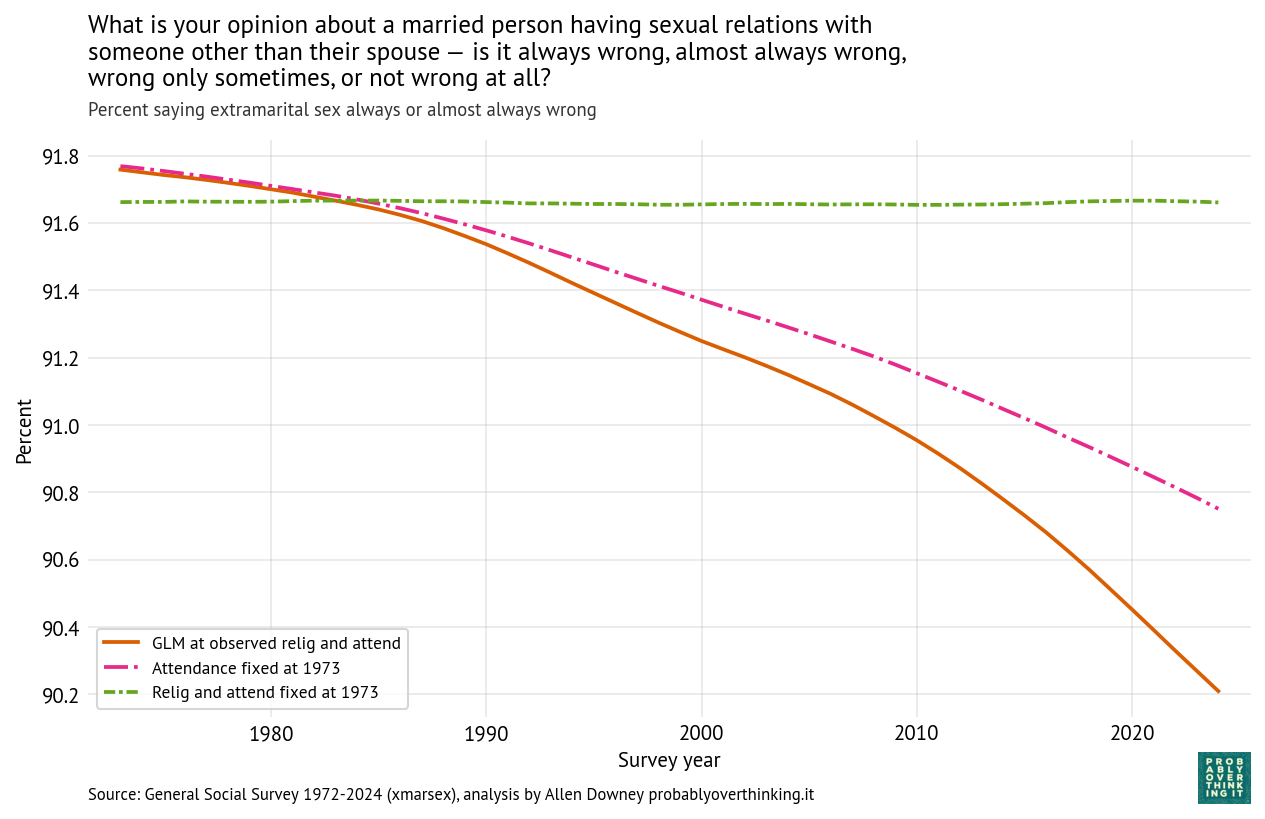
Figure 4:Marginal standardization (smoothed): extramarital sex.
2. Time series by religious affiliation
Period-only time model (RW2), one trajectory per composed affiliation group; same item order as above.
Premarital sex (premarsx)
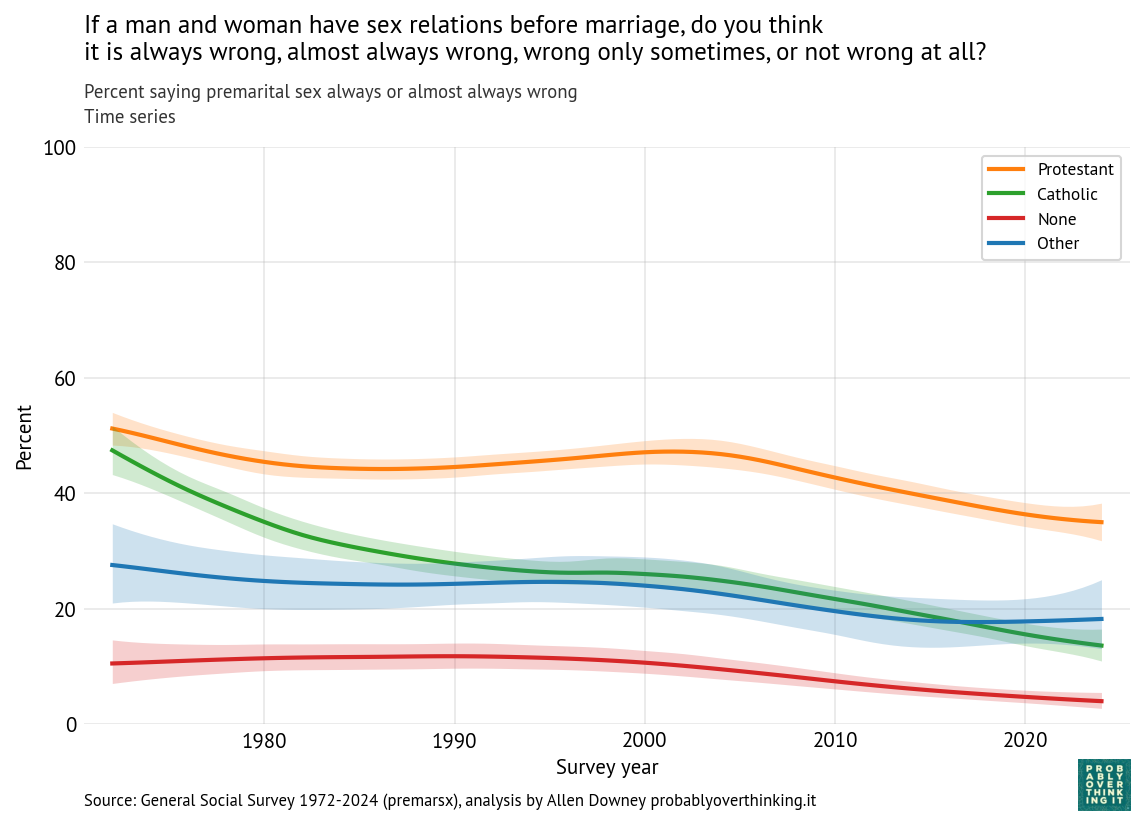
Figure 5:Time model by affiliation: premarital sex.
Same-sex relations (homosex)
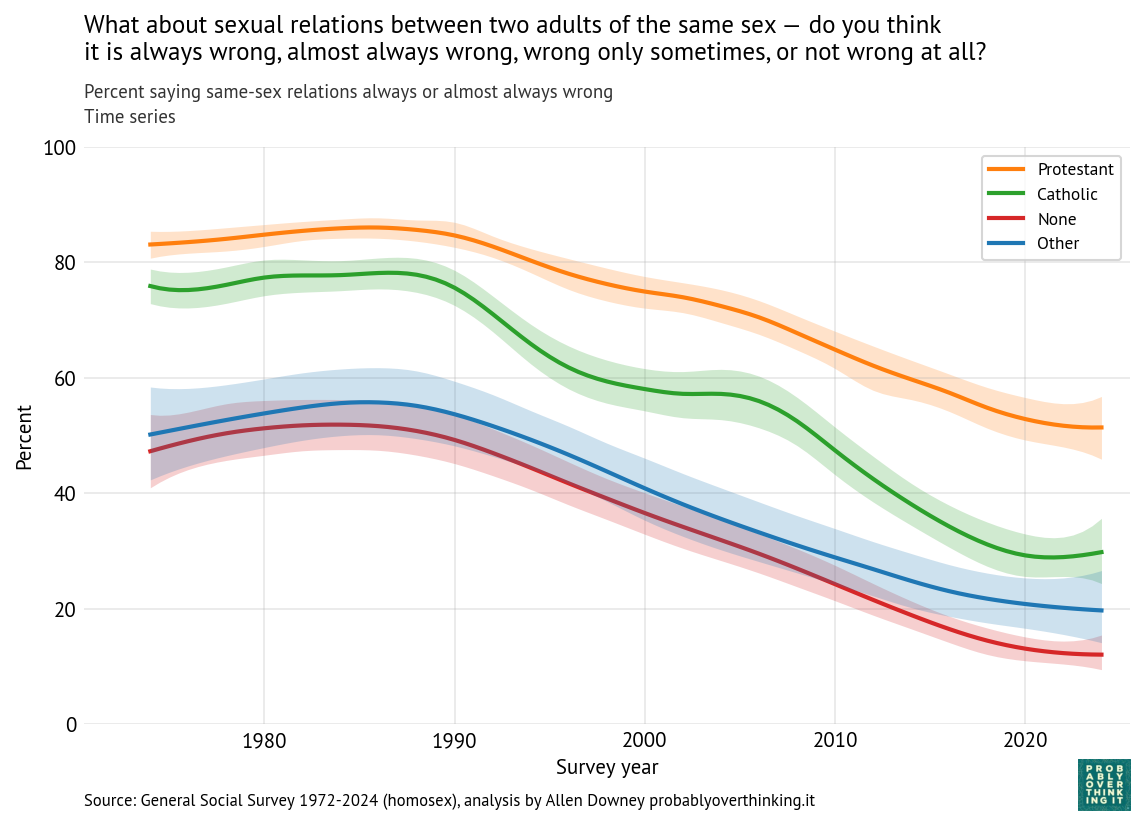
Figure 6:Time model by affiliation: same-sex relations.
Teen premarital sex (teensex)
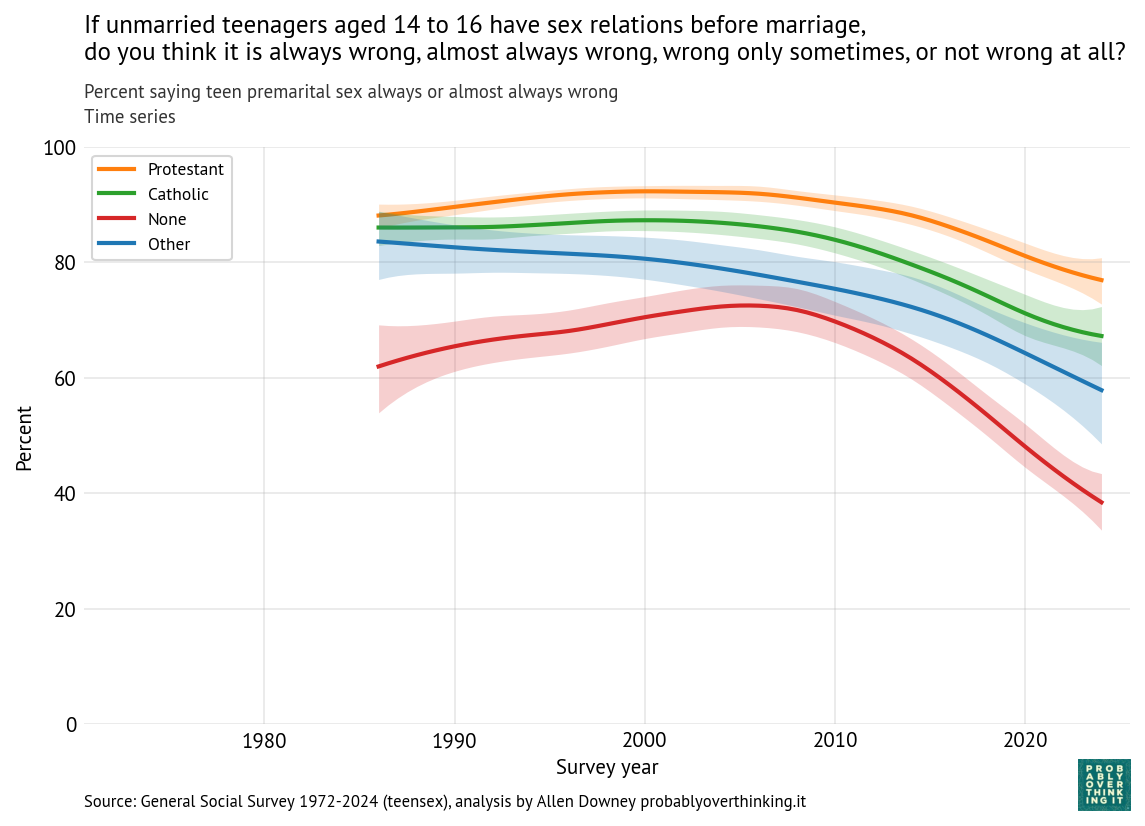
Figure 7:Time model by affiliation: teen premarital sex.
Extramarital sex (xmarsex)
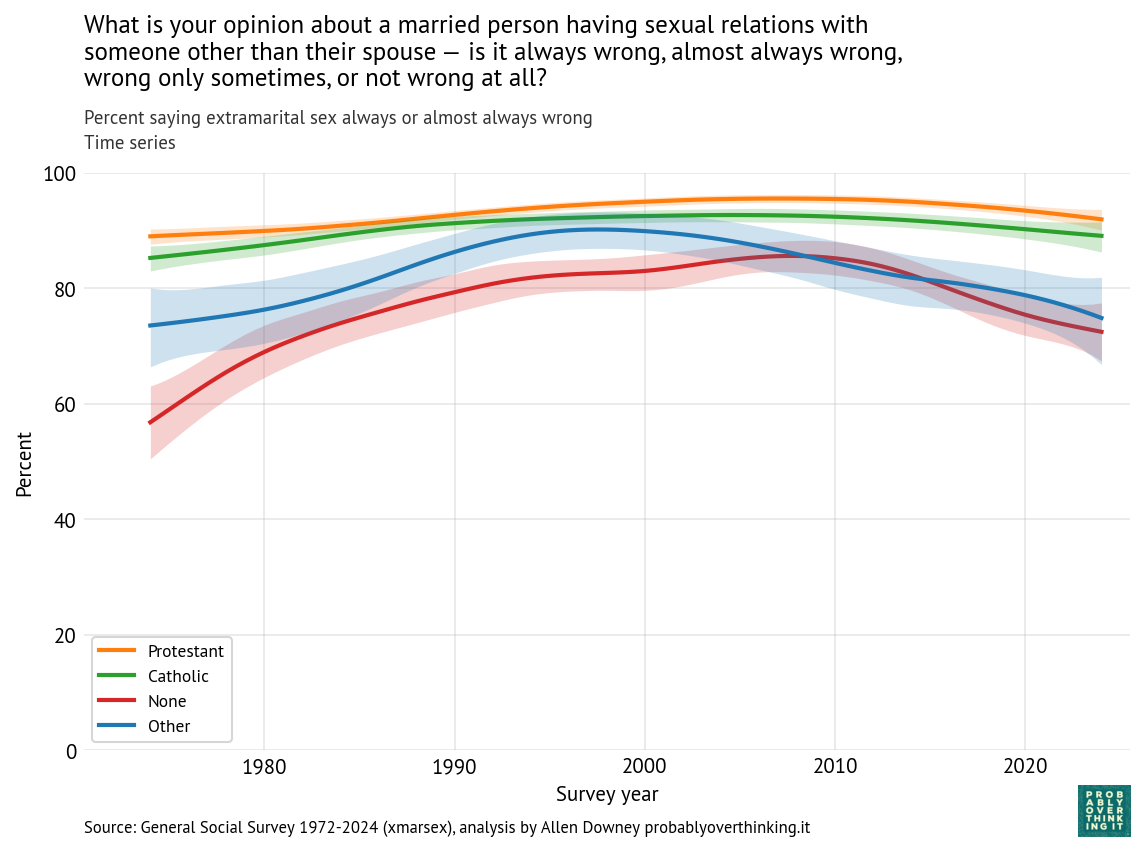
Figure 8:Time model by affiliation: extramarital sex.