Gender roles in the GSS: cohort and period effects
Draft. This post walks through the gender-role attitude battery in the General Social Survey using the same Bayesian cohort–period setup as recent posts (model10 for the full APC fit, time_model for the latent national time trend shown behind the standardized period figure).
For each item below, the outcome plotted is the percent in the “traditional” direction as encoded in the analysis (see SELECTED_VALUES in notebooks/utils.py—for example, fechld uses disagreement that a working mother can be as warm a parent; fepol uses agreement that men are better suited emotionally for politics).
Figures use the default weighted extract and the artifact suffix double_cumsum_Exponential_c0.125_t0.125_weighted_mean_overdisp_initpriors_nc.
Women in politics (fepol)
Tell me if you agree or disagree with this statement:
Most men are better suited emotionally for politics than are most women.
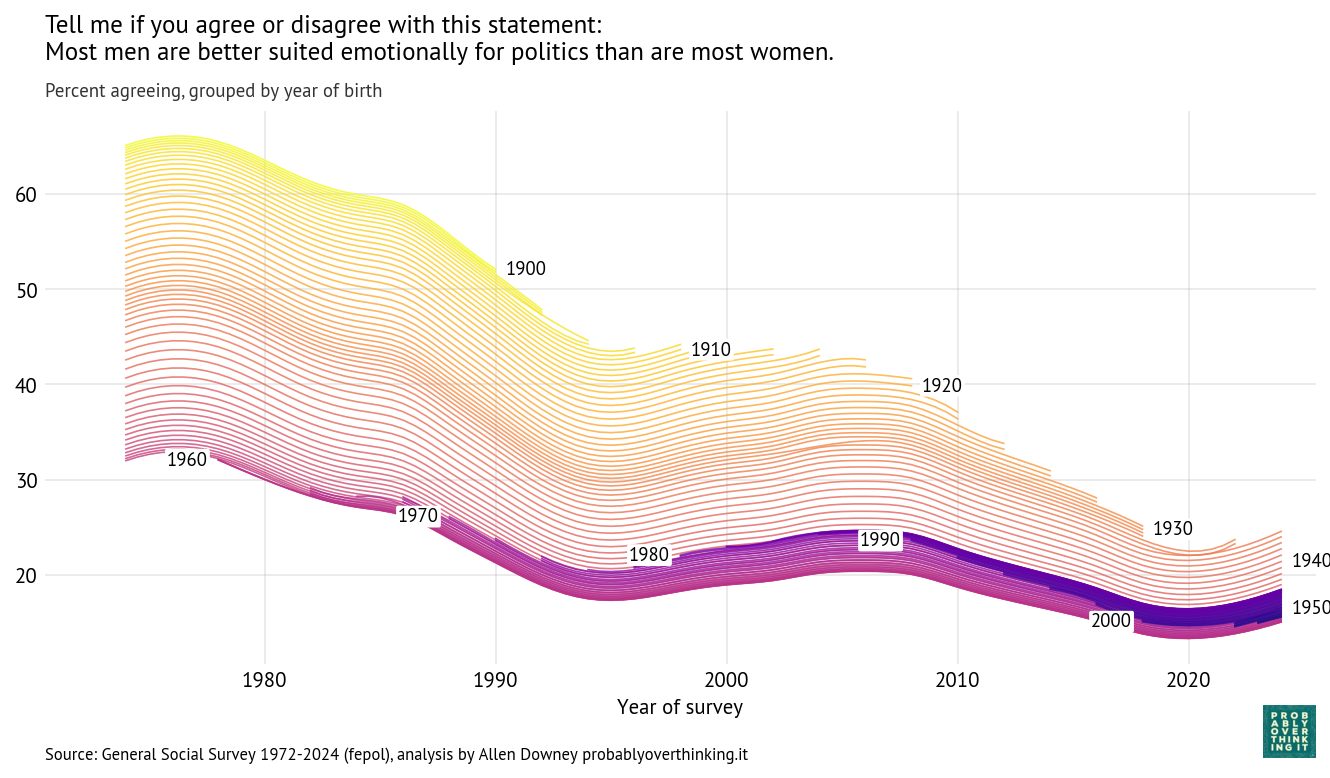
Figure 1:Cohort trajectories (fepol): latent percent agreeing, by birth cohort over survey year.
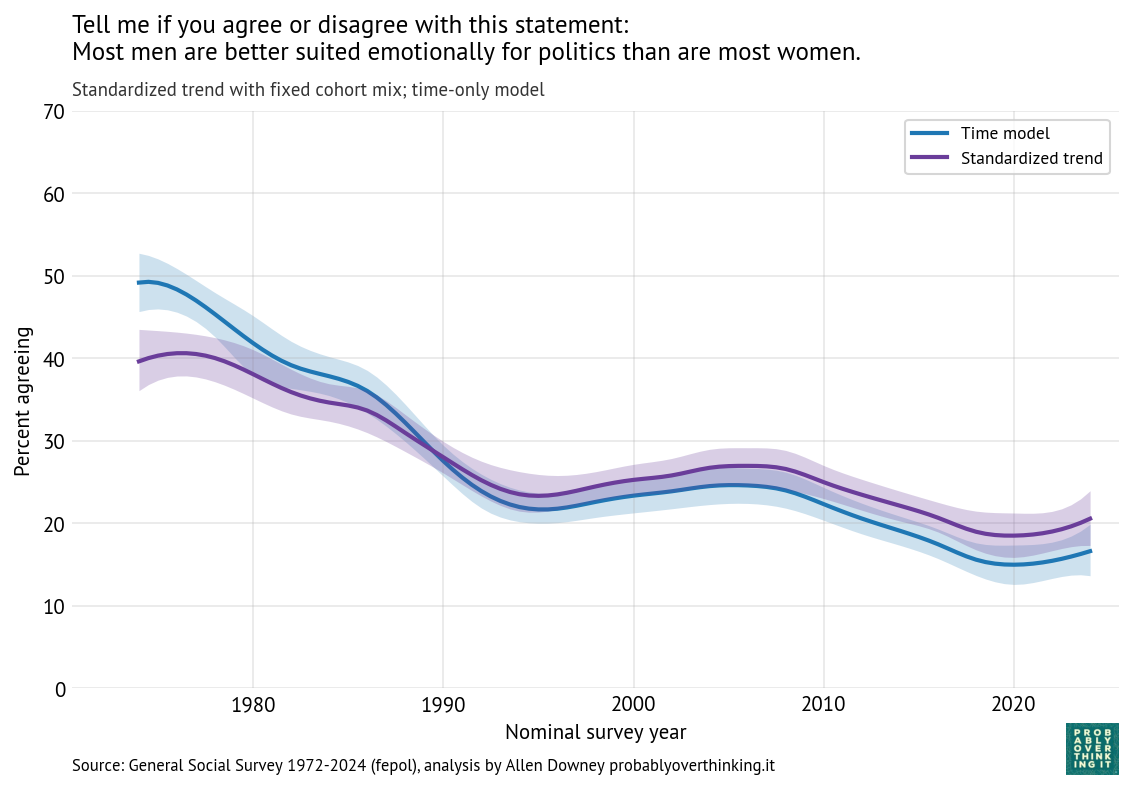
Figure 2:Standardized period trend with fixed cohort mix; time-only model in the background (fepol).
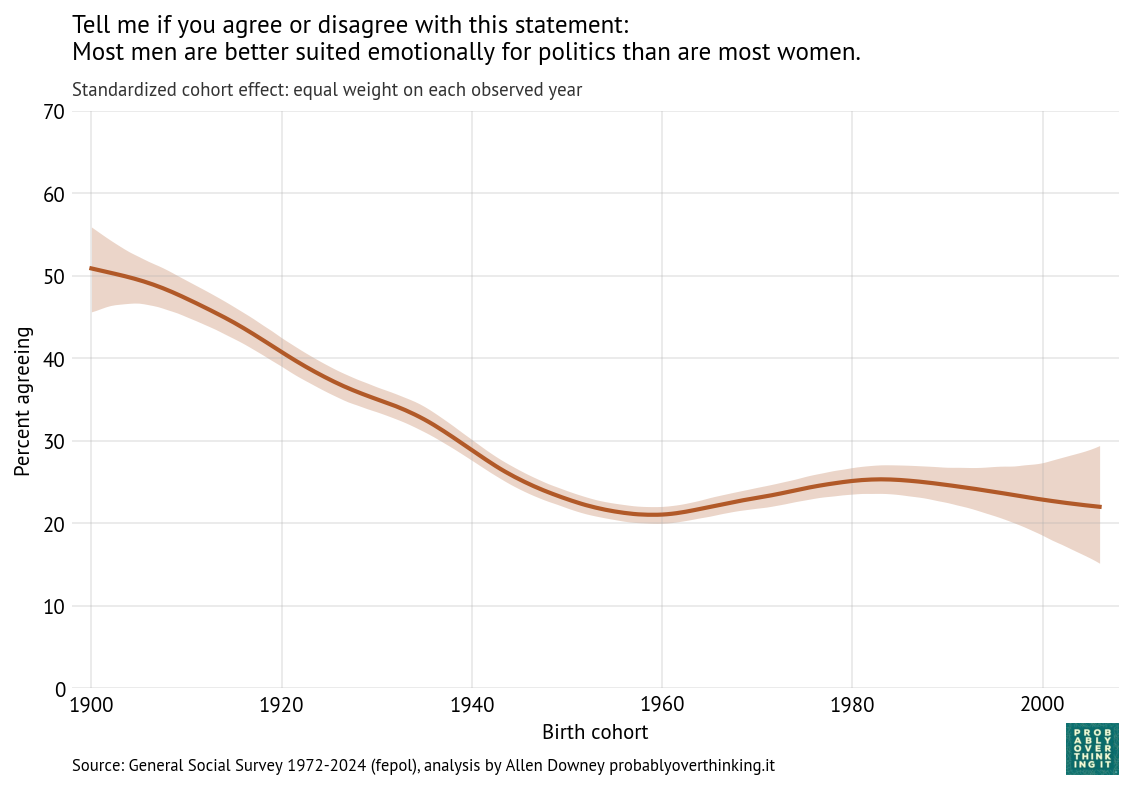
Figure 3:Cohort component with equal weight on each observed survey year (fepol).
Working mother vs children (fechld)
Tell me if you agree or disagree with this statement:
A working mother can establish just as warm and secure a relationship with her children as a mother who does not work.
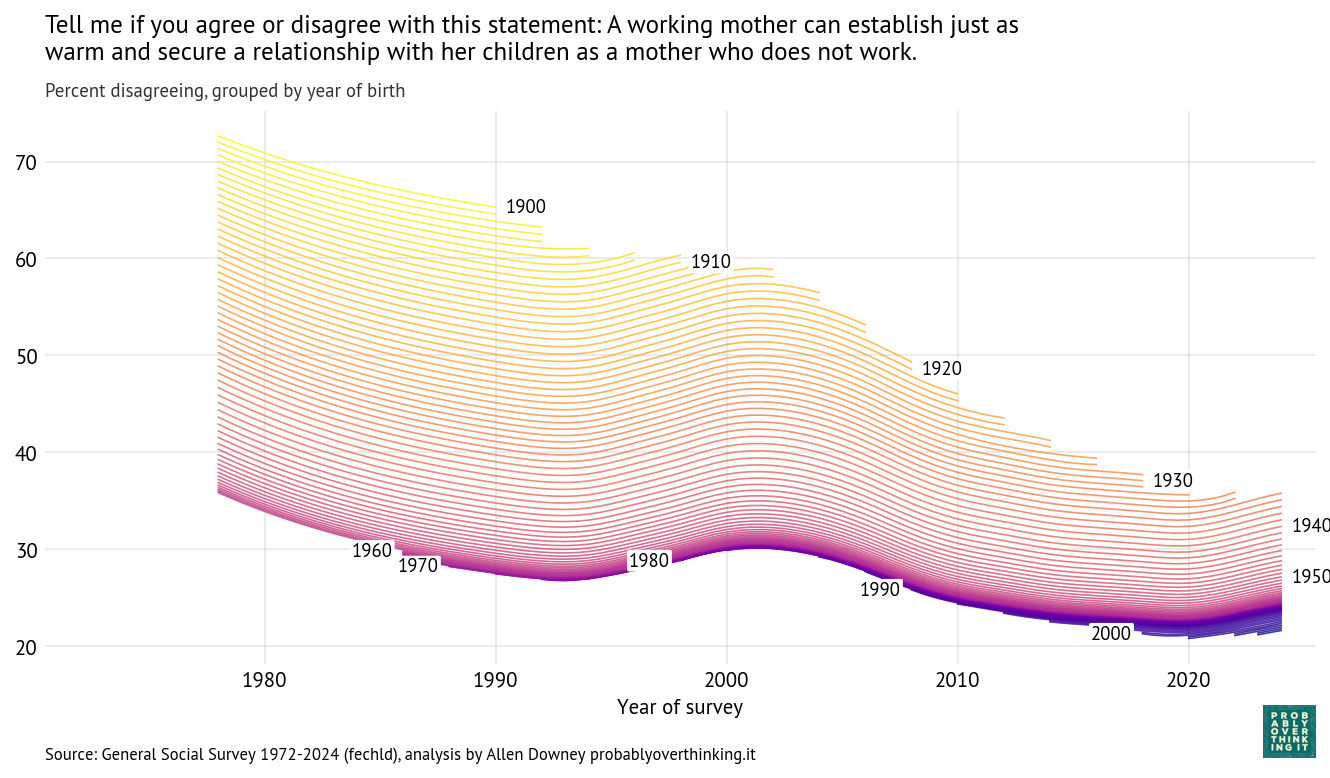
Figure 4:Cohort trajectories (fechld): latent percent disagreeing.
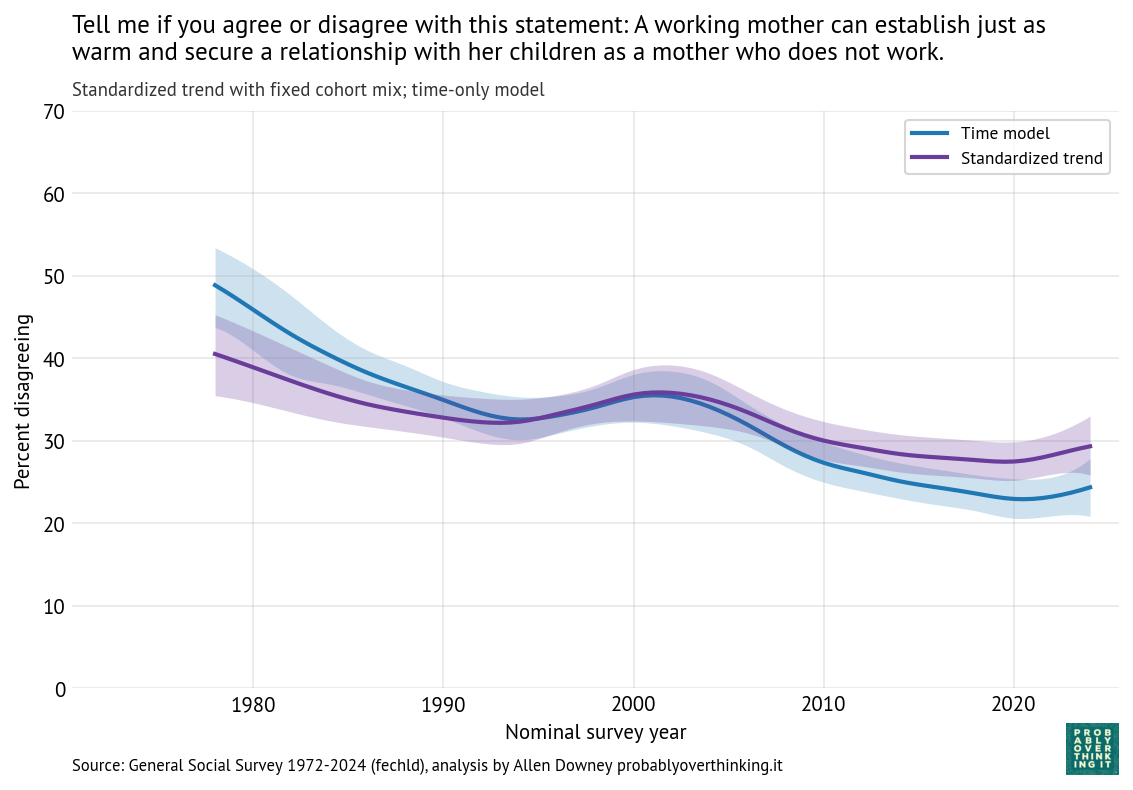
Figure 5:Standardized period trend with time model (fechld).
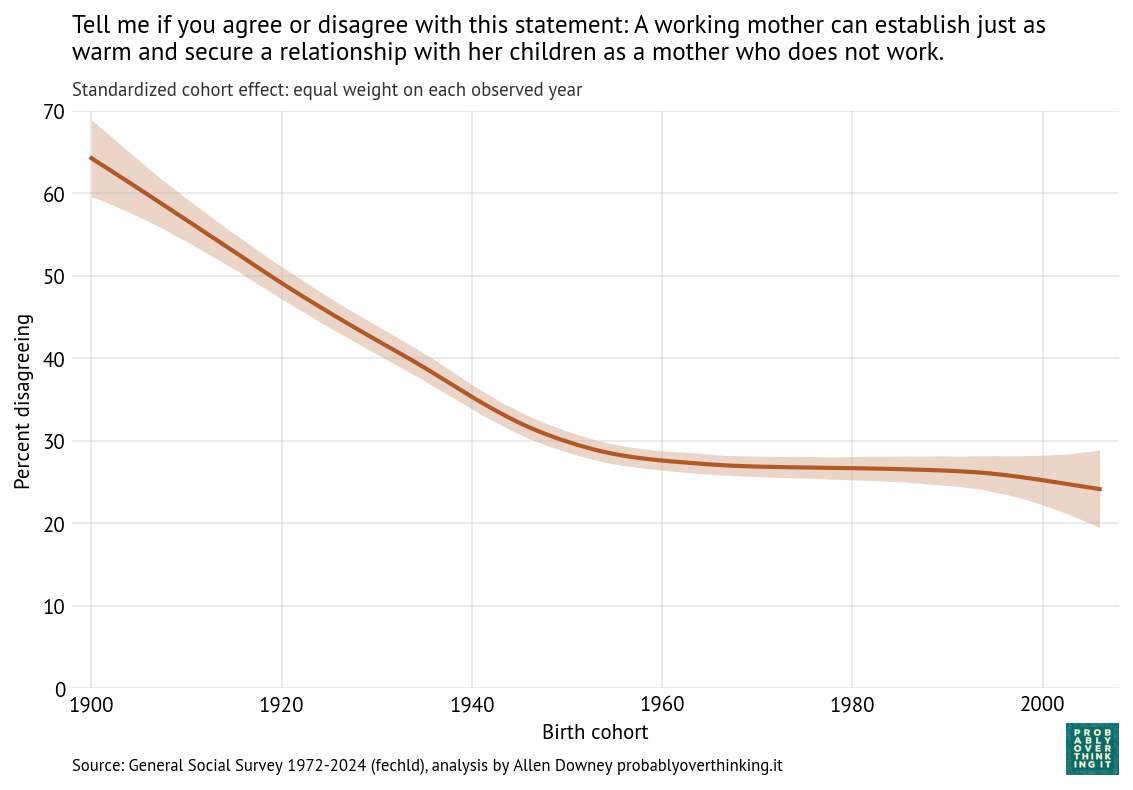
Figure 6:Cohort component, uniform years (fechld).
Man achiever / woman home (fefam)
Tell me if you agree or disagree with this statement:
It is much better for everyone involved if the man is the achiever outside the home and the woman takes care of the home and family.
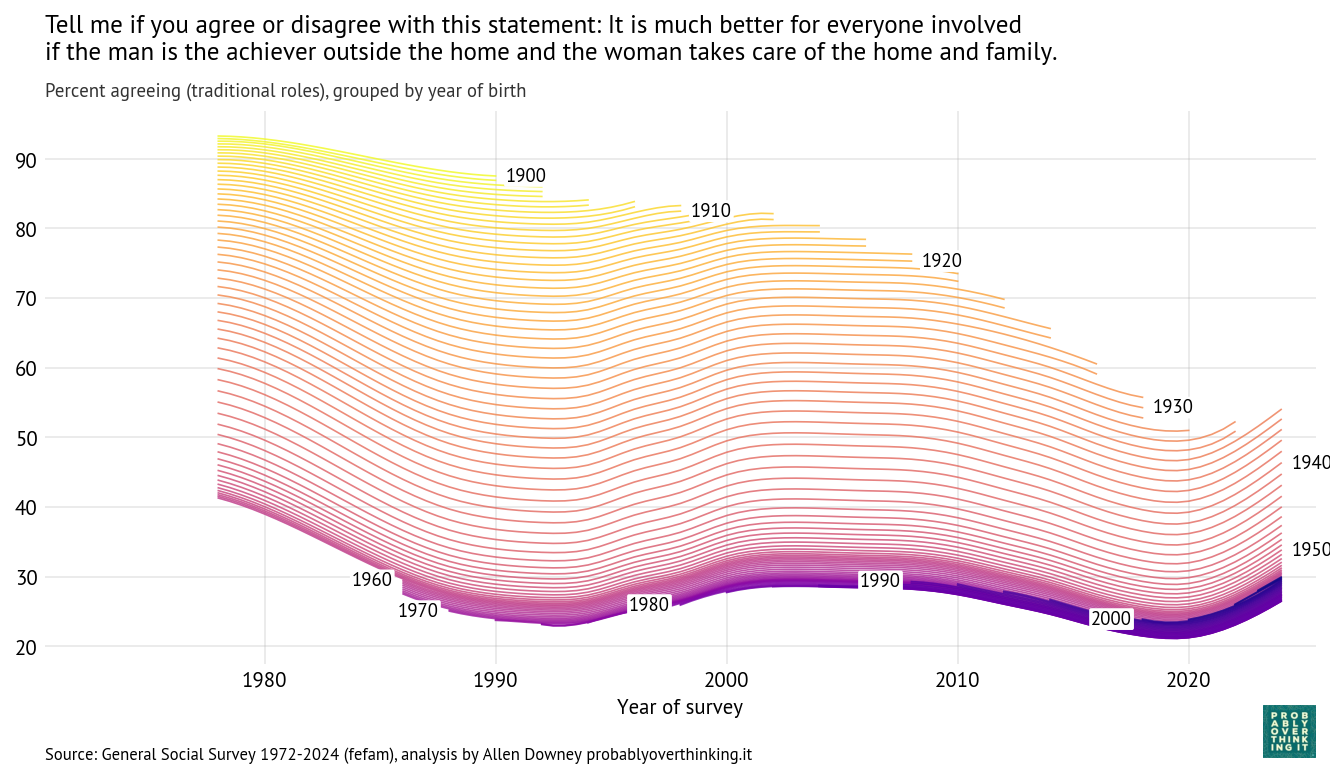
Figure 7:Cohort trajectories (fefam).
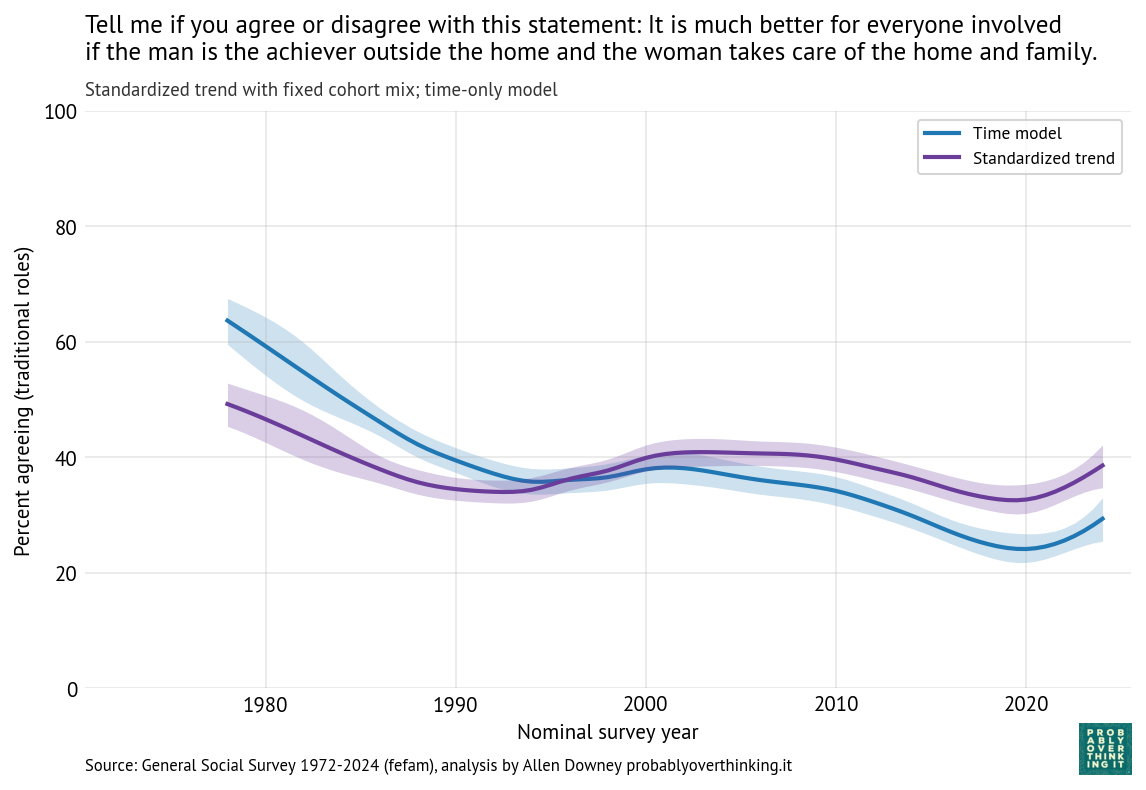
Figure 8:Standardized period trend with time model (fefam).
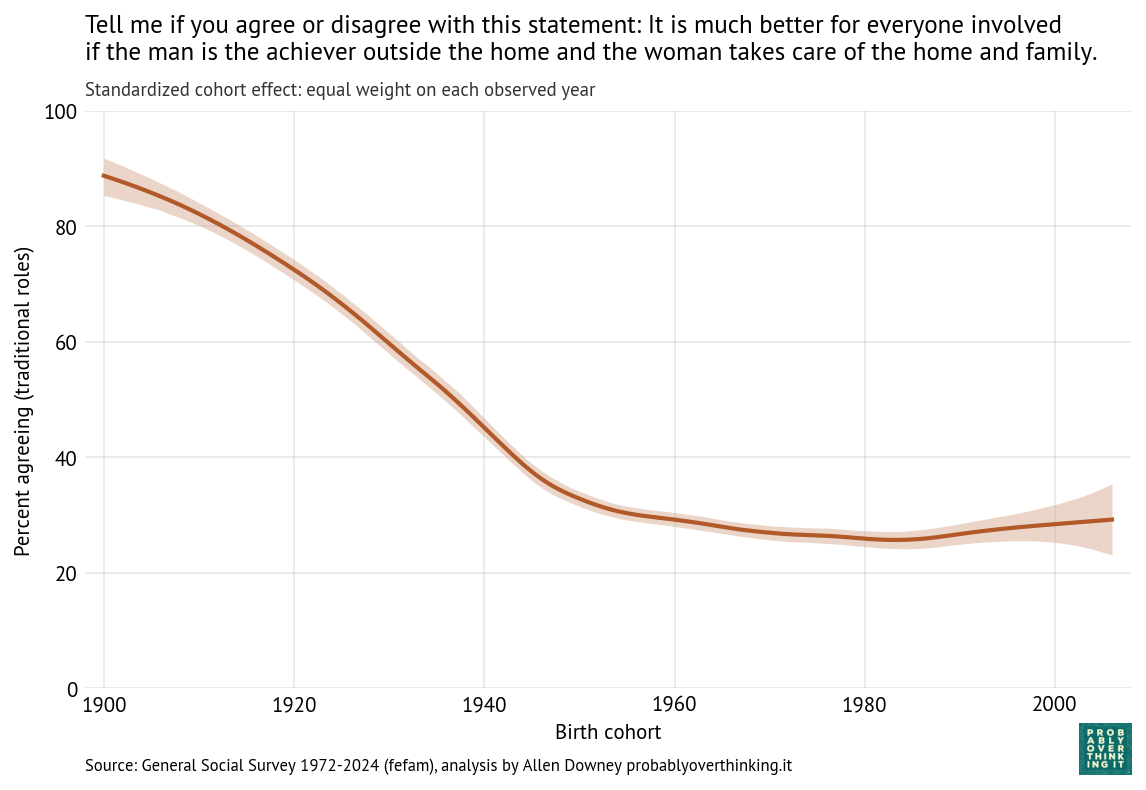
Figure 9:Cohort component, uniform years (fefam).
Woman president (fepres)
If your party nominated a woman for President, would you vote for her if she were qualified for the job?
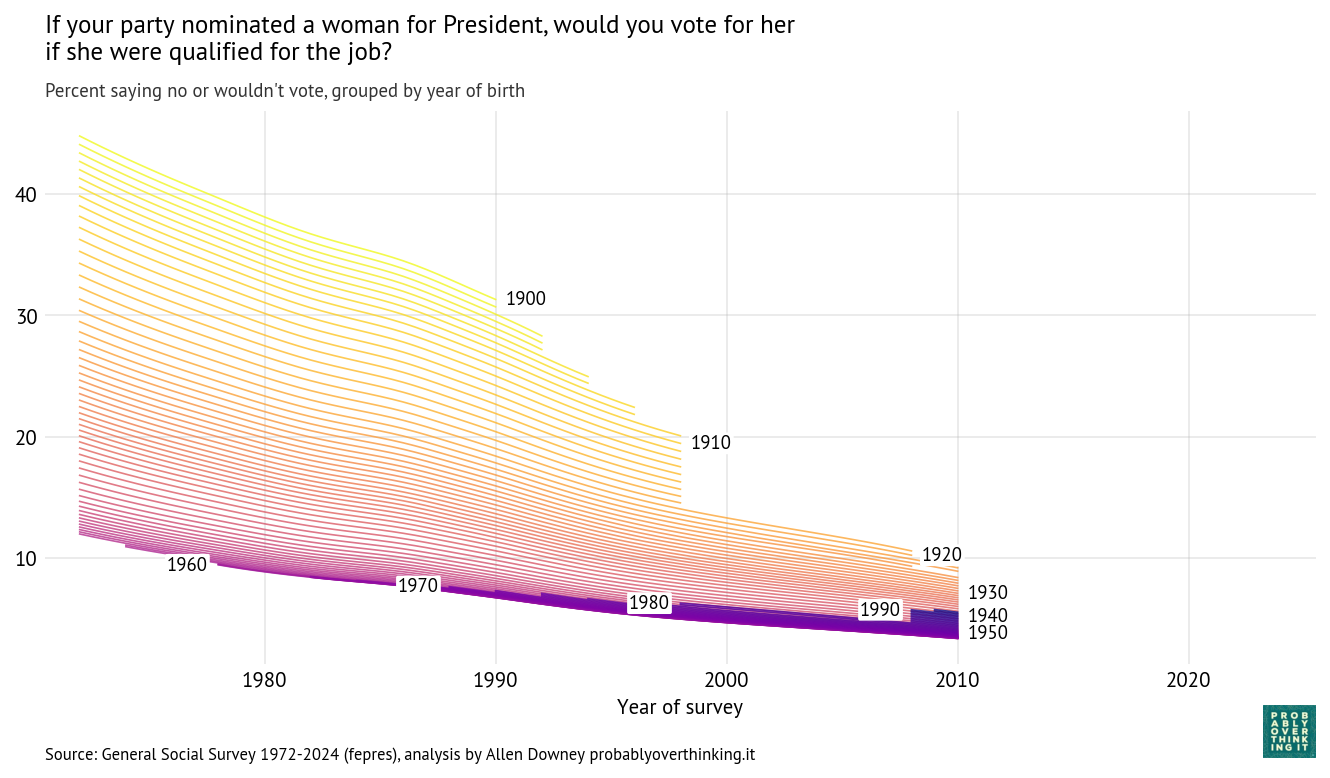
Figure 10:Cohort trajectories (fepres).
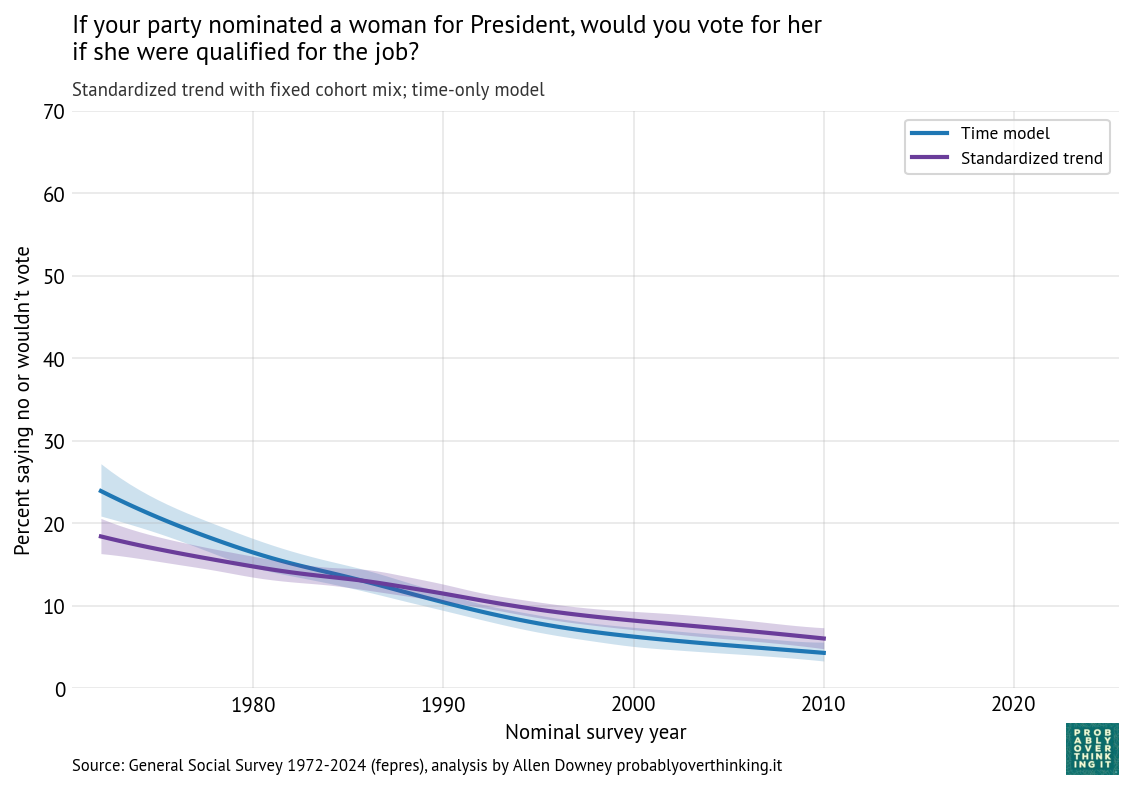
Figure 11:Standardized period trend with time model (fepres).
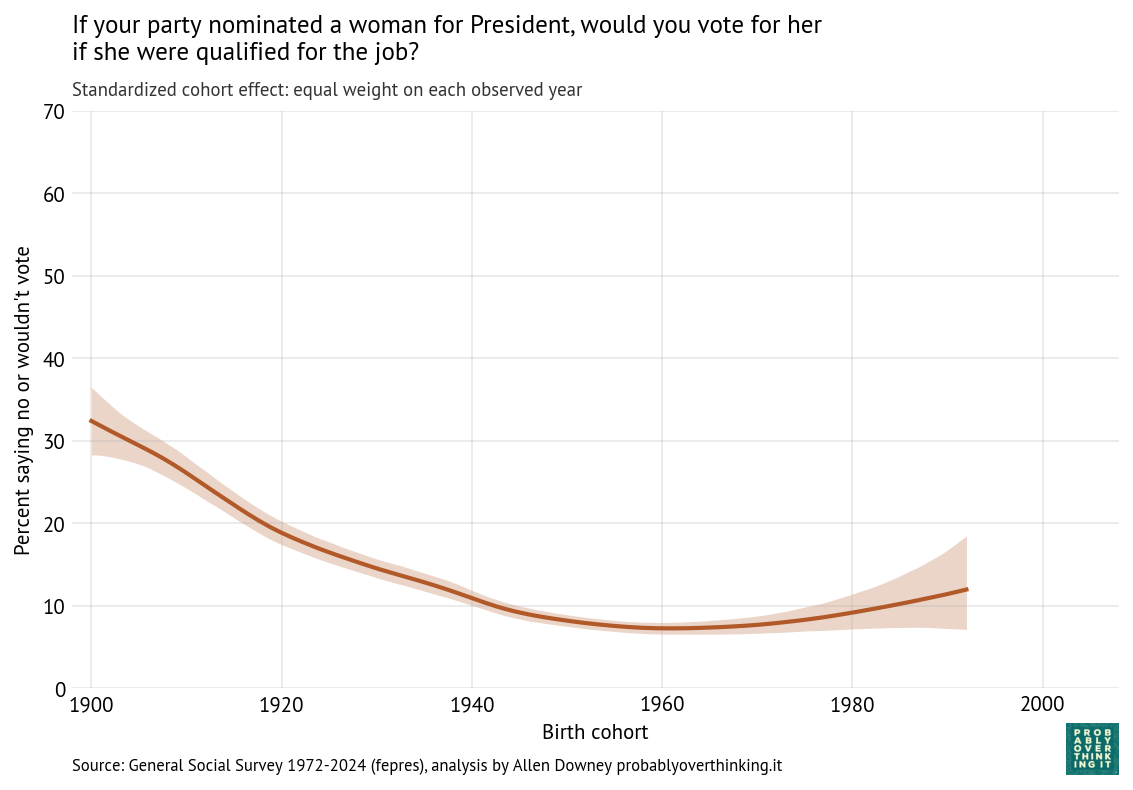
Figure 12:Cohort component, uniform years (fepres).
Married woman earning money (fework)
Do you approve or disapprove of a married woman earning money in business or industry if she has a husband capable of supporting her?
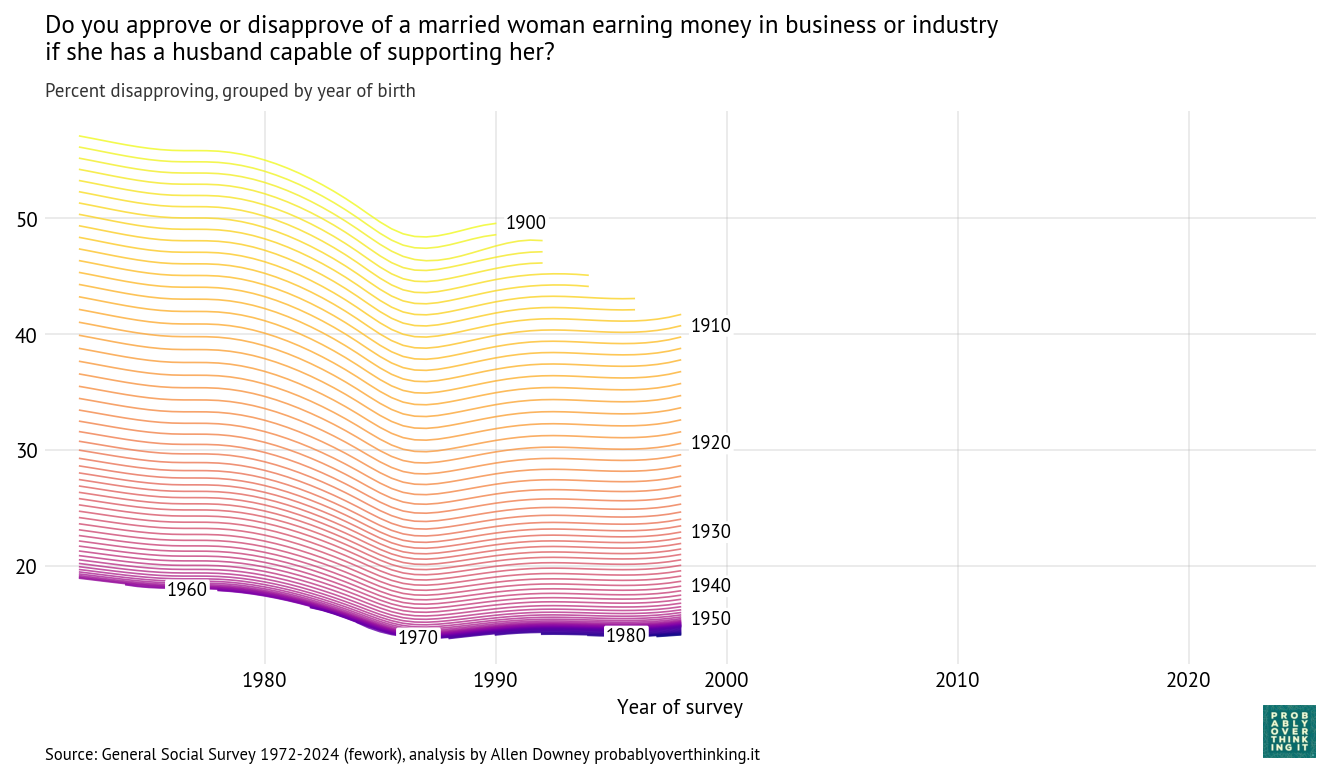
Figure 13:Cohort trajectories (fework).
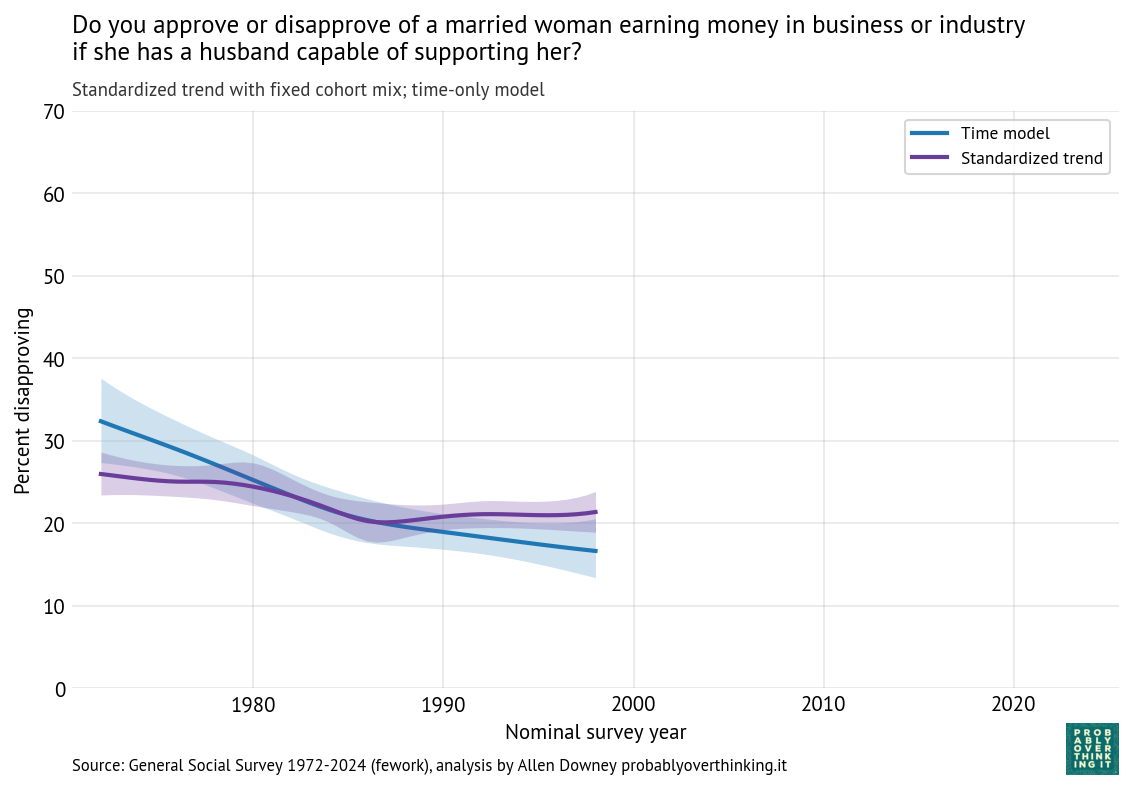
Figure 14:Standardized period trend with time model (fework).
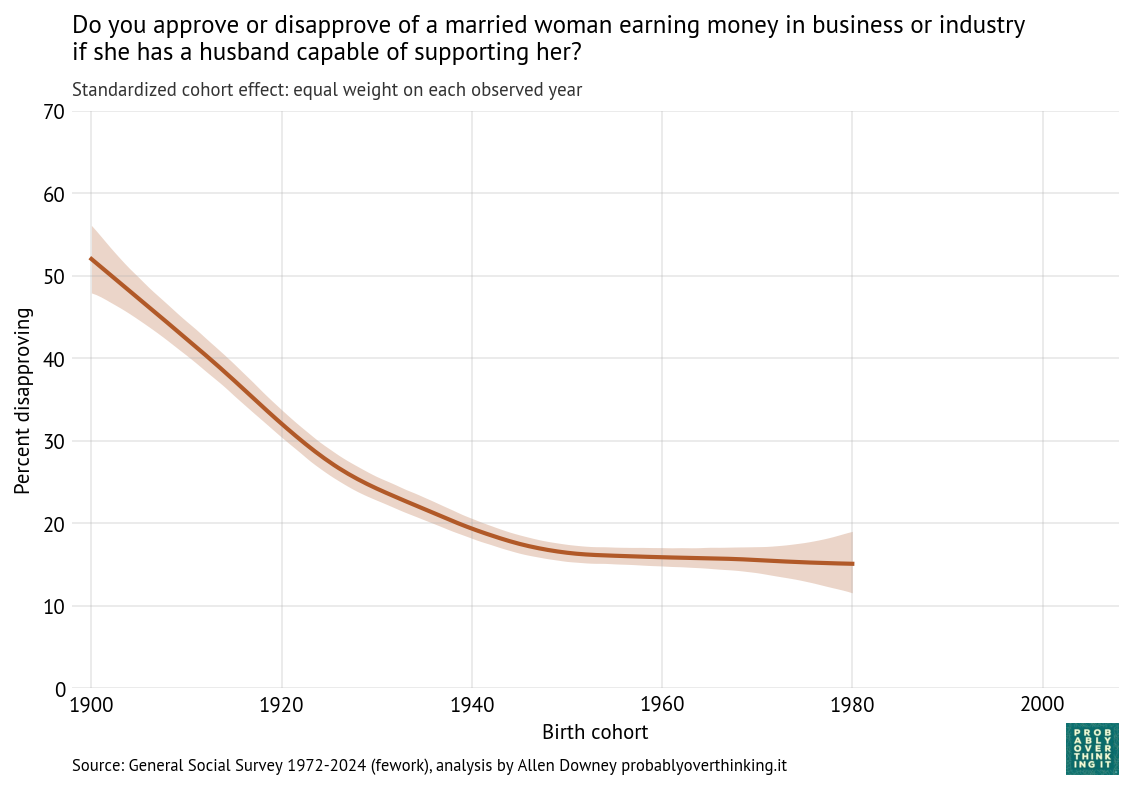
Figure 15:Cohort component, uniform years (fework).
Hire and promote women (fehire)
Tell me if you agree or disagree with this statement:
Because of past discrimination, employers should make special efforts to hire and promote qualified women.
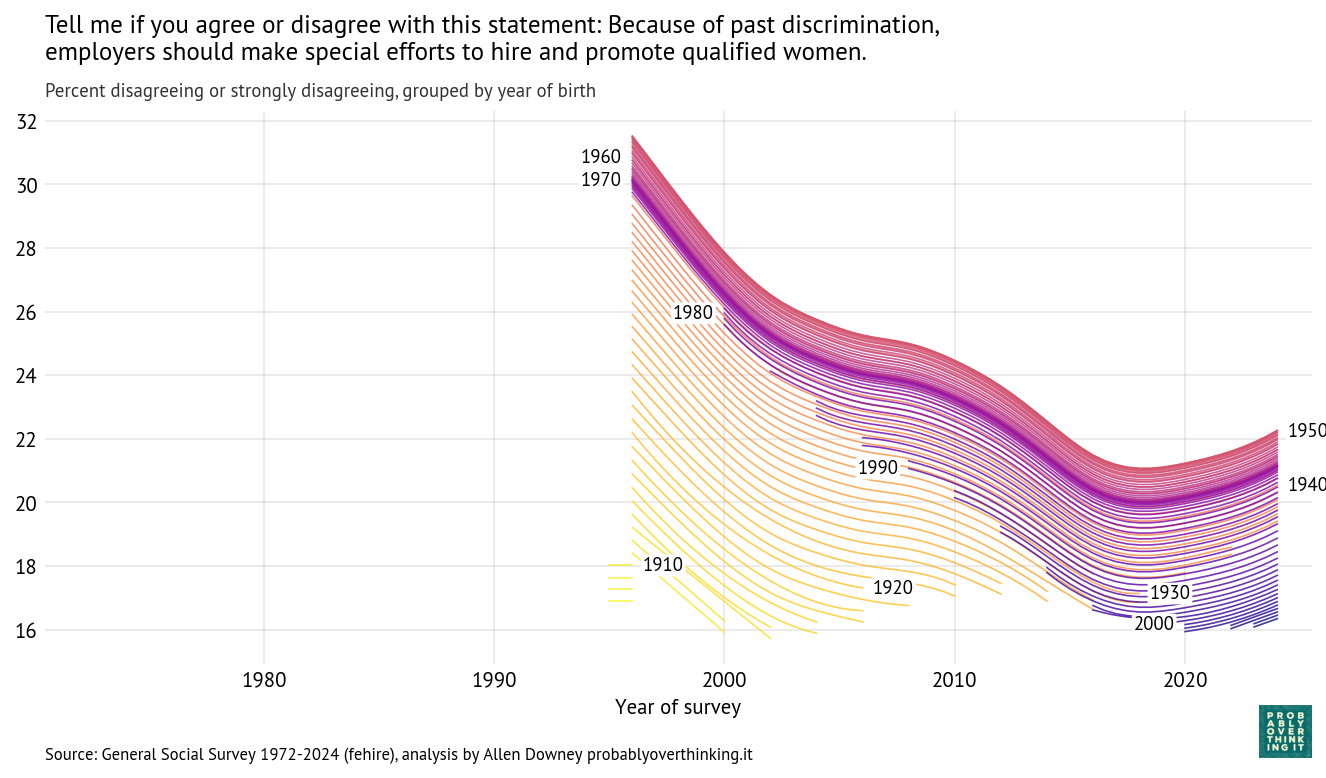
Figure 16:Cohort trajectories (fehire).
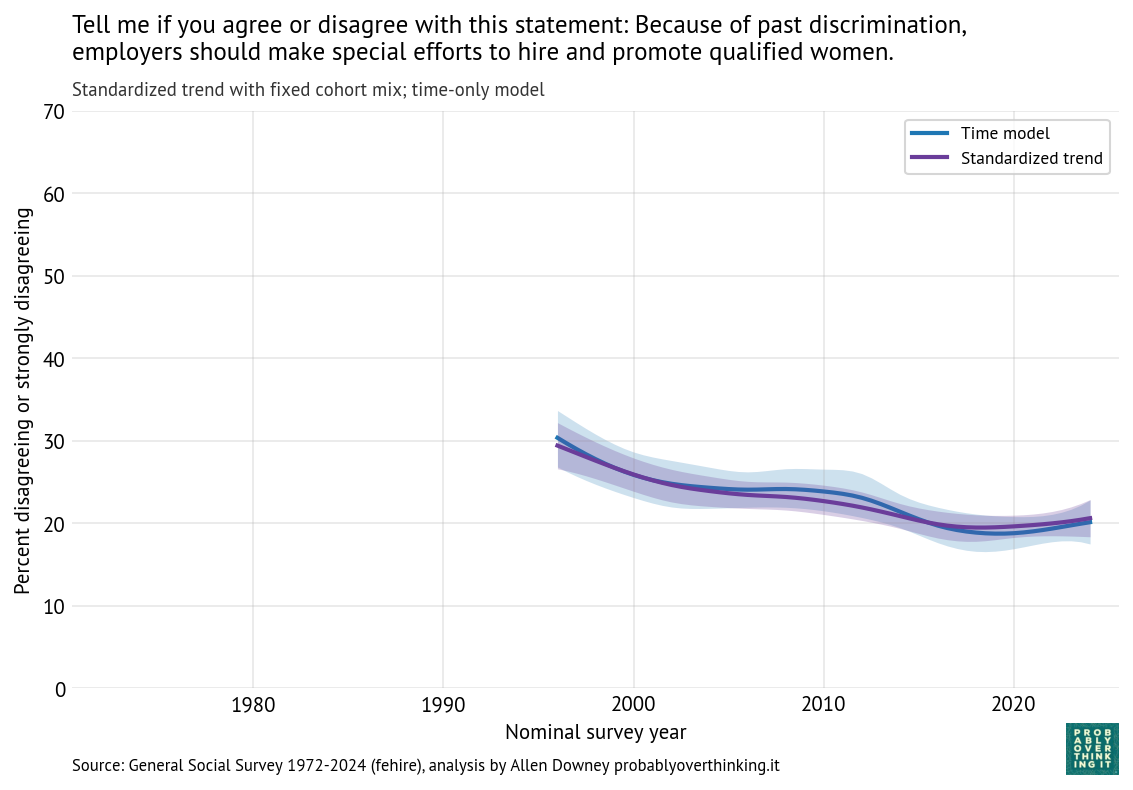
Figure 17:Standardized period trend with time model (fehire).
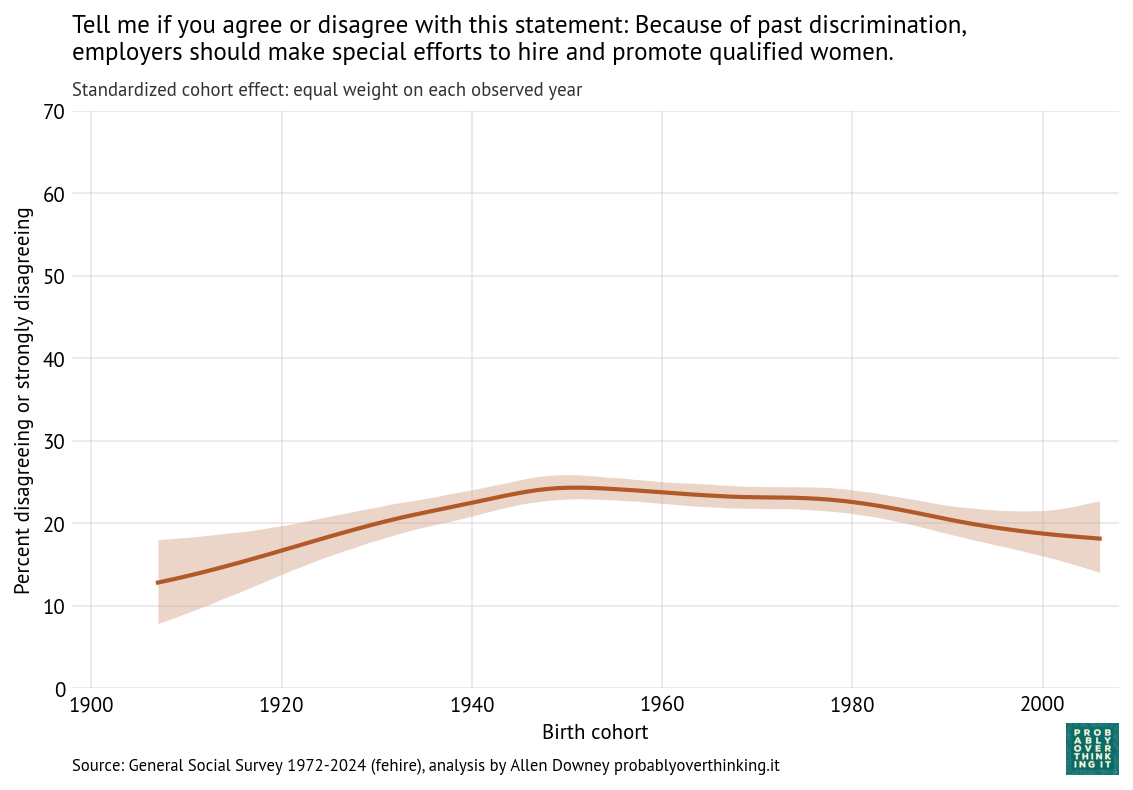
Figure 18:Cohort component, uniform years (fehire).